
By Dayne Hudson
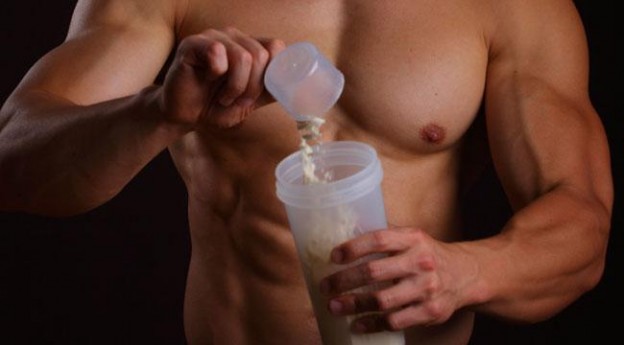
Pre-workout nutrition is without question a vital part of your fitness life.
It is probably the most underrated meal you'll have all day!
Getting your pre-workout nutrition correct involves learning the facts, which can make a huge difference at the end of the day.
Everyone seems to be obsessed with the anabolic window after training and what you should be eating AFTER a workout.
Alright, let's pull out the science papers!
THE RESEARCH
The more you dig, the more you release how important your pre-workout nutrition seems to be.
Recent research suggests protein intake before and even DURING training to pump up post-exercise accretion further (1-4).
One paper reported that just 6 g of essential amino acids (3 of them are your BCAAs) and 35 grams of sucrose BEFORE training, is more effective when it comes to post-exercise muscle protein synthesis as opposed to having it AFTER training (4).
The hypothesis here is that the increased amino acid levels whilst your blood flow is increased during training, leads to a greater volume of amino acids delivered to your muscles (5).
It's valuable to know that the amino acid called leucine (a BCAA) is accepted to be the sole stimulator of protein synthesis (6-11).
A recent meta-analysis examining protein intake before or during training states:
"Protein ingestion before or during exercise allows post-exercise muscle protein synthesis rates to be elevated more rapidly due to the greater amino acid availability to the muscle during the early stages of post-exercise recovery."
So we've established that protein before training definetly elevates muscle protein synthesis rates after training, which is exactly what the doctor ordered!
But one of the reasons pre-workout nutrition is important, is because of the effect strenuous exercise places on your bodies ability to uptake nutrients AFTER training.
During your gym sessions, blood flow is directed to your muscles, cardiopulmonary system and your skin, to allow for your bodies demands of nutrients and oxygen (12).
This leads to reduced blood flow to your gut and gastrointestinal compromise (12).
To quote from this cited paper:
"A compromised gastrointestinal system can have a negative impact on exercise performance and subsequent postexercise recovery due to abdominal distress and impairments in the uptake of fluid, electrolytes, and nutrients...ultimately, these effects can deteriorate postexercise recovery and disrupt exercise training routine."
This obviously isn't good news.
So what's strenuous exercise?
Think endurance style training, even a 2 hour weights session, cross-fit and HIIT.
Why do I say a 2 hour session?
Well, because a recent study examined pre-workout nutrition in the context of a workout of this duration (13).
The recreational athletes had a shake containg carbohydrates (0.15 g/kg body mass/h) either with or without additional protein (0.15 g/kg body mass/h) before and during the 2 hour resistance training session.
Using stable isotope methodology, protein co-ingestion before and during resistance-type exercise substantially increased muscle protein synthesis rates during exercise conditions.
Let's hear from the authors:
"We conclude that, even in a fed state, protein coingestion stimulates whole body and muscle protein synthesis rates during resistance-type exercise."
PROTEIN SYNTHESIS OVER A LONG PERIOD
The important thing to remember is that protein synthesis rates after training hang around for quite some time.
For a brief snap shot, consider that the rate of muscle protein synthesis ranges from between 0.04-0.14% per hour, with skeletal muscle tissue having a turnover rate of 1-2% per day (5).
So you can see why high protein diets are recommended to those training frequently.
For a bodybuilder, the so-called immediate anabolic window that carries the supposed need to consume protein RIGHT after training, really lacks definitive evidence when you take into account the above, and the following.
Basal muscle protein synthesis rates as well as the muscle protein response to nutrients are both increased up to 24 hours after pumping iron (14).
So there's no immediate "half an hour" opportunity - this lasts 24 hours!
So it's not exactly a window, but rather a garage door, possibly even the size of the gates to the Great Gatsby's mansion!
So you can see why the anabolic window myth has lost a lot of credibility when we examine this body of research.
This means it extends into sleep too, which is why I always recommend protein intake before bed.
This hypothesis is also backed by science - those ingesting protein before bed slept through higher rates of protein synthesis than those who relied on the post-exercise muscle protein synthesis rates only (15).
So be sure to knock back a protein shake before bed! Even some MILK with whey protein will do the trick.
CONCLUSION
Focusing on your pre-workout nutrition at this stage, seems to much more important than your post-workout nutrition.
Be sure NOT to stress about the post-workout side of things in the context of the immediate anabolic window.
Now obviously, consuming adequate amounts of protein in the lead up to your next training session is important, but the point is, this is a 24 hour window and not a very brief one.
The take home message is that your pre-workout intake is so very vital and vastly underrated by most.
So, nail your protein intake before and even during training depending on how strenous it is, and you'll be well on the road to where you want to go!
"Stay Fit, Stay Flexed!"
REFERENCES
(6) Lemon PW: Protein requirements of strength athletes. In Sports Supplements. Edited by Antonio J, Stout J. Philadelphia, PA: Lippincott, Williams, & Wilkins Publishing Co; 1996.
(7) Campbell B, Kreider R, Ziegenfuss T, Bounty P, Roberts M, Burke D, Landis J, Lopez H, Antonio J: International society of sports nutrition position stand: protein and exercise. J Int Soc Sports Nutr 2007.
(8) Gropper S, Smith J, Groff J: Protein. In Advanced Nutrition and Human Metabolism. 5th edition. California: Wadsworth Cengage Learning; 2009:179-250.
(9) American Dietetic Association, Dietitians of Canada, & American College of Sports Medicine:Position stand: nutrition and athletic performance. Med Sci Sports Exerc 2000, 32:2130-2145.
(10) Kimball SR, Jefferson LS: New functions for amino acids: effects on gene transcription and translation. Am J Clin Nutr 2006, 83:500S-507S.
(11) Anthony JC, Anthony TG, Kimball SR, Vary TC, Jefferson LS: Orally administered leucine stimulates protein synthesis in skeletal muscle of postabsorptive rats in association with increased eIF4F formation. J Nutr 2000, 130:139-145.


